
I know the feeling of staring at the same beige cubicle wall or kitchen window, wondering if this is all there is. For years, I dreamt of escaping the relentless routine of life in the US, but I didn’t want to quit my job or sell everything I owned. Then it hit me; a 30-day stay is the perfect sweet spot for travel. It is long enough to stop feeling like a tourist but short enough to keep your career on track.
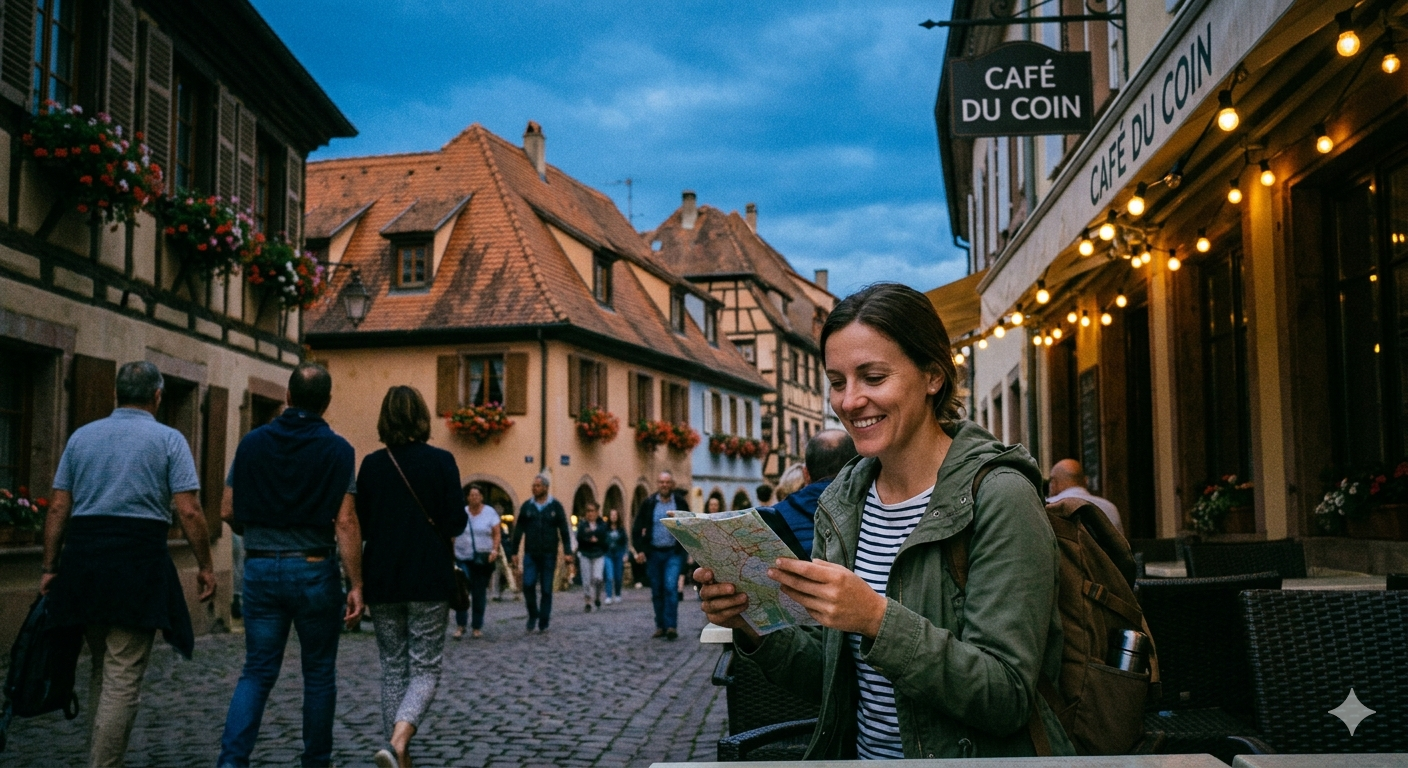
Picture yourself stepping off a train in a city where you don’t speak the language. The air smells like fresh baked bread and damp cobblestones, rather than exhaust and office coffee. You aren’t rushing to catch a tour bus because you have four full weeks ahead of you. This isn’t just a vacation; it’s a temporary life. In this article, I will show you how to turn that daydream into a reality without throwing your permanent life away.
Finding Your Home Away From Home
Choosing where to plant your flag for a month is the first major hurdle. Unlike a week-long trip where you just need a bed, a month-long stay requires a real base. I have found that staying in one place allows me to find the quiet local grocery stores and the sunniest benches in the park. You move past the tourist traps and start to understand how the city actually breathes. This shift into slow travel leads to better trips and personal transformation because it removes the pressure to see everything in 48 hours.
When you settle into one neighborhood, your personal growth accelerates. You gain confidence by navigating local pharmacy aisles or figuring out which neighbor trims the hedges on Tuesdays. It is about building a temporary sense of belonging. Instead of checking boxes on a top-ten list, you focus on the texture of daily life. This pace makes even the most mundane tasks feel like a small victory for your self-reliance.
Choosing the Right City for Your Rhythm
You have to pick a destination that fits your actual lifestyle, not just your Instagram feed. If you are working remotely, reliable internet is non-negotiable. I always ask potential hosts for a screenshot of a speed test before I hit “book.” Walkability is another factor that transforms your experience. Being able to walk to a bakery or a library makes a city feel like home much faster than relying on expensive ride-shares.
One mistake I made early on was trying to visit a new city every weekend. It sounds like a great plan, but it leads to instant burnout. You spend your Friday nights on buses and your Sundays packing bags. Give yourself permission to stay put. If you find a city that matches your energy, you’ll find more joy in a Tuesday afternoon at a local cafe than a rushed weekend in a crowded capital.
Settling In and Beating the First Week Blues
The first week is often the hardest part of the entire month. The honeymoon phase usually ends around day seven when you realize you are far from your friends and your favorite pillow. Loneliness can creep in during those quiet evenings after work. I have learned to fight this by creating a routine immediately. Whether it’s joining a local gym or finding a weekly meet-up group, you need a reason to interact with people.

Real friendships rarely happen in hotel lobbies. They happen in shared spaces where locals congregate. Look for language exchange nights or hobby-based clubs. Even if you only make one or two connections, it changes your perspective on the city. You aren’t an outsider anymore; you’re someone who has a “usual” order at the corner coffee shop.
Navigating Daily Life and Discomforts
Living abroad means facing decision fatigue in ways you don’t expect. Buying a carton of milk or a box of laundry detergent can feel like a complex puzzle when the labels are in a different script. This friction is actually a good thing for your brain. It forces you to stay present and observant. A month away acts as a mental reset, stripping away the autopilot habits you’ve built over years in the US.
The language barrier is another hurdle that pays off in the long run. Even if you only learn ten words, the effort opens doors. People appreciate when you try to meet them halfway. You start to see that communication is about more than just vocabulary; it is about tone, gestures, and shared patience. This constant engagement keeps your mind sharp and your ego in check.
Managing Your Money Without Stress
Financial stress can ruin a month-long trip faster than a rainy week. You cannot eat out every night like a tourist if you want your budget to last. I try to follow the “one meal out” rule: I cook breakfast and lunch at my apartment and save my budget for a nice dinner or a unique local experience. This saves money and makes the restaurant visits feel more special.
Don’t forget to account for hidden costs. ATM fees, emergency pharmacy trips, or even local transit passes can add up quickly. I always use cards that offer no foreign transaction fees to keep every dollar working for me. If you are planning a trip to a colder climate, remember that gear costs might rise. For instance, planning a trip to Iceland in March requires specific waterproof layers that you might not already own.
Learning the Local Language and Customs
You don’t need to be fluent to have a deep experience. Your brain naturally picks up the rhythm of speech just by being surrounded by it. I try to learn “please”, “thank you”, and “where is the bathroom” on day one. These small tokens of respect go a long way in how locals treat you. It shows you aren’t just there to consume their culture but to participate in it.
Be mindful of cultural clashes, especially regarding volume and tipping. Americans are often much louder in public than people in Europe or Asia. I have learned to lower my voice in cafes and watch how others interact with servers. Most countries don’t have the same aggressive tipping culture as the US. Learning these nuances prevents awkward encounters and helps you blend into the background of the city.
Lessons from a Month Abroad
Spending thirty days in a new country is the best investment I have ever made in myself. You return home with a different kind of intelligence. It is a mix of logistical problem-solving skills and a wider perspective on how the world functions. You realize that your way of doing things is just one way, not the only way. This month-long stay bridges the gap between a fleeting trip and a permanent move.
The verdict is clear; one month is the ideal duration for a life-changing reset. You come home tired, but you are smarter, more capable, and significantly more patient than when you left. If you have been waiting for the right moment to see the world, stop waiting. Go ahead and book that one-month stay. Your future self will thank you for the courage to step out of the routine.
I’m a passionate traveler with a knack for discovering hidden gems around the world, sharing real travel experiences, tips, and must-visit places to inspire your next adventure.