

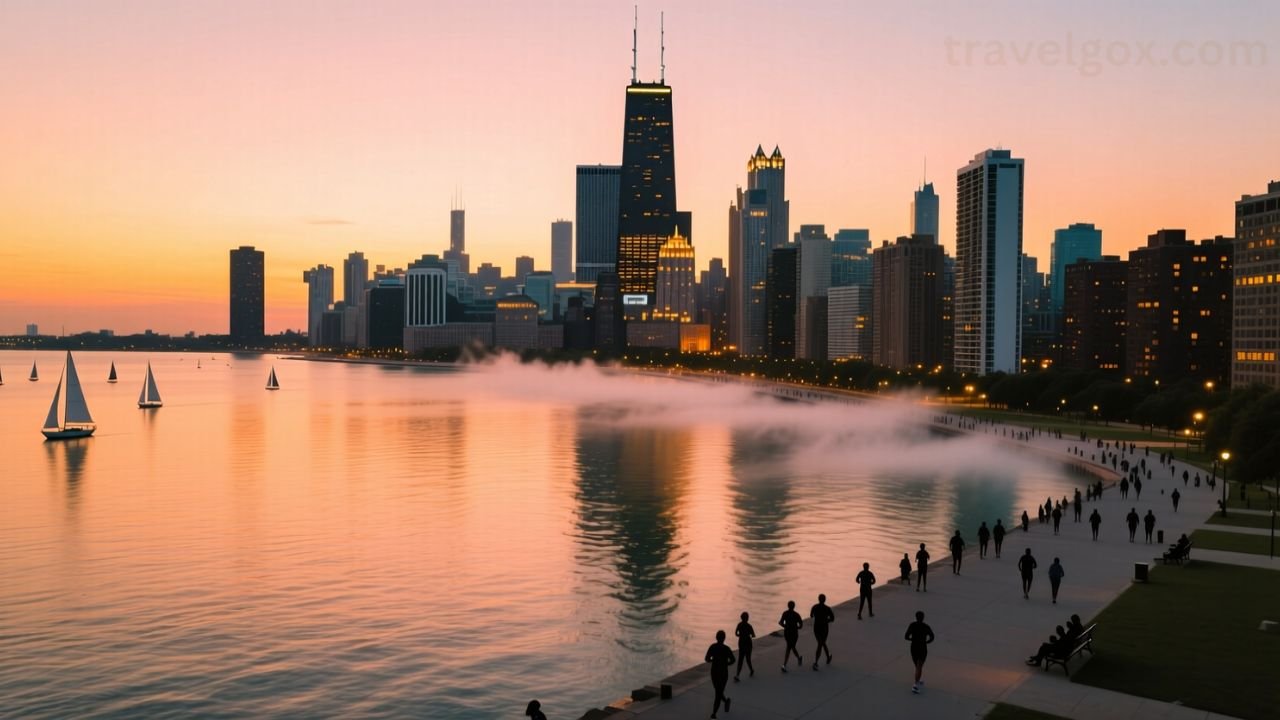
Chicago is a city with strong seasons. Each season feels very different. Some months feel cold and quiet. Other months feel warm and busy. Because of this, choosing the best time to visit Chicago is very important.
Many travelers plan trips without thinking about timing. This often leads to stress. Weather surprises people. Prices feel too high and crowds feel too large. This Chicago travel guide explains everything in simple words. It helps you decide when to visit Chicago based on weather, budget, and sightseeing.
Chicago changes fast throughout the year. Winter feels cold and calm, while summer feels loud and full of life. Spring and fall feel balanced. Timing your visit helps you enjoy the city more and worry less.
When Is the Best Time to Go to Chicago?
For most people, the best time to visit Chicago is late spring or early fall. In addition, these months offer pleasant weather and better prices. You can walk outside without feeling too hot or too cold. Attractions feel less crowded.
Fall and late spring also feel relaxed. Hotels cost less in summer. Streets feel calmer. Many travelers agree that this is the best season to visit Chicago for first visits. The city feels welcoming and easy.
During these months, sightseeing is easy and enjoyable. You can explore neighborhoods, dine outdoors, and see popular attractions without long waits.
Best Season to Visit Chicago
Chicago has four seasons. Each season creates a different travel experience. Summer is the peak tourist season. Winter is the average season. Spring and fall are the shoulder seasons. These are known as Chicago travel seasons.
Season choice affects prices and crowds. Summer brings fun but also stress. On the other hand, winter brings savings but also cold. In contrast, spring and fall bring balance. This balance helps many travelers enjoy more with less effort.
The table below shows how seasons compare.
| Season | Weather | Crowds | Prices |
| Winter | Very cold | Low | Lowest |
| Spring | Cool and changing | Medium | Moderate |
| Summer | Warm and busy | Very high | Highest |
| Fall | Mild and calm | Low | Moderate |
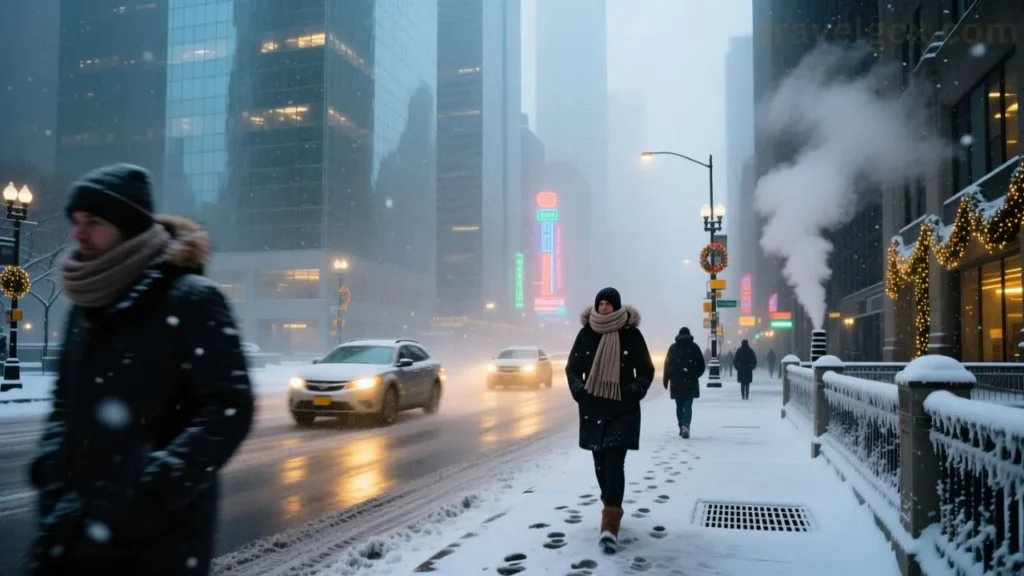
Winter in Chicago feels cold and windy. Cold winters in Chicago are well known. Wind makes the air feel colder. Snowfall in Chicago often starts in December. The average temperature in Chicago stays below freezing.
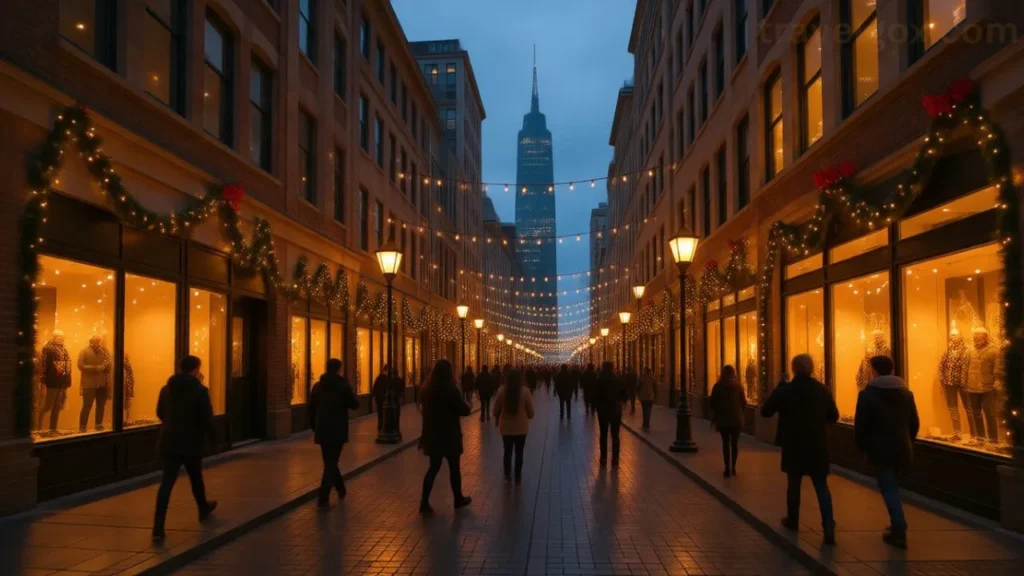
Still, winter has benefits. Streets feel quiet. Museums feel calm. The holiday season in Chicago adds charm and lights. Many people enjoy this peaceful side of the city.
In addition, winter also saves money. Hotels lower prices fast. You can find cheap hotels near the top areas. Flights also drop in price, and flight deals become common.
Who Should Visit Chicago in Winter
Winter is good for budget travelers. It is also good for people who enjoy indoor places. Museum lovers enjoy winter visits. Food lovers enjoy cozy restaurants. Holiday fans enjoy Chicago Christmas events and winter markets.
However, if weather bothers you, winter may feel hard. However, winter remains the cheapest time to visit Chicago.
Chicago in Spring (March to May)

Spring arrives slowly in Chicago. March still feels cold. After that, April brings rain. Eventually, May starts to feel warm. Unpredictable weather is common in spring. One day feels sunny. The next day feels wet. Rainy days in Chicago happen often.
At the same time, spring feels fresh. Parks turn green. Flowers begin to bloom. Walking becomes easier. Prices stay lower than in summer, which helps many travelers.
Spring also brings events. One famous event is St. Patrick’s Day in Chicago, when the river turns green. This brings crowds and joy.
What to Expect From Spring Weather in Chicago
Spring weather changes quickly. Temperatures rise and fall. April feels wet and cool. May feels calmer. Many travelers say May is the best month to visit Chicago for balance.
Spring works well if you plan flexible days. Light jackets help a lot.
Chicago in Summer (June to August)
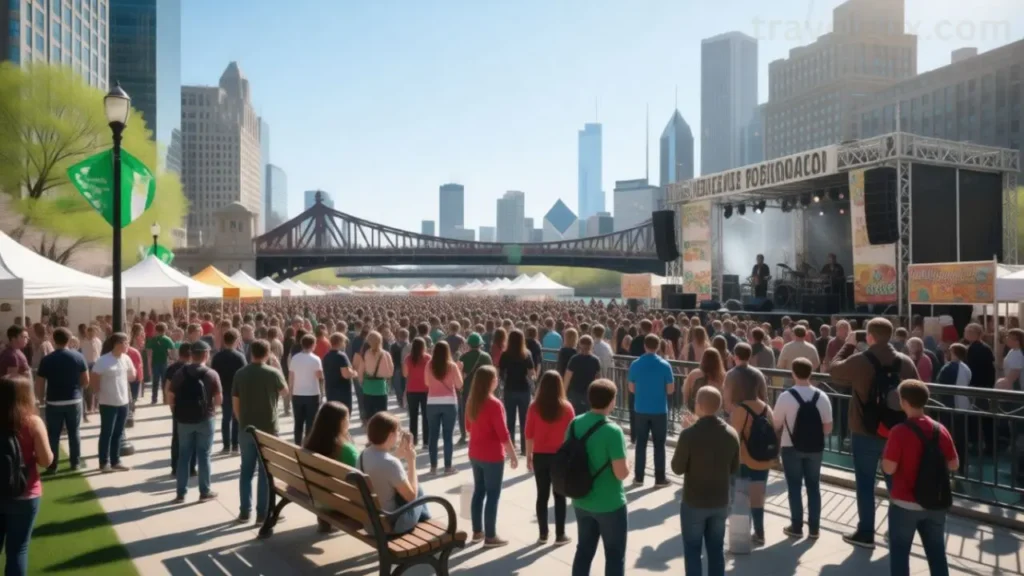
Summer changes Chicago completely. The city feels lively and loud. Hot and humid summers are common. Lake winds help, but humidity stays strong. Chicago’s weather in summer supports long days outside.
In fact, summer brings fun everywhere. Outdoor festivals fill parks. Chicago events happen weekly. Music festivals draw large crowds. People enjoy water and open spaces.
However, summer costs more. Hotels raise prices fast. Attractions feel crowded. Lines feel long. Summer is clearly the peak tourist season.
Why Summer Is Peak Season in Chicago
Summer matches school breaks. Families travel more. Days feel long. Famous activities like the architecture river cruise, Chicago beaches, and Navy Pier fireworks attract many visitors.
Therefore, summer suits travelers who love energy. It suits those who do not mind crowds.
Chicago in Fall (September to October)
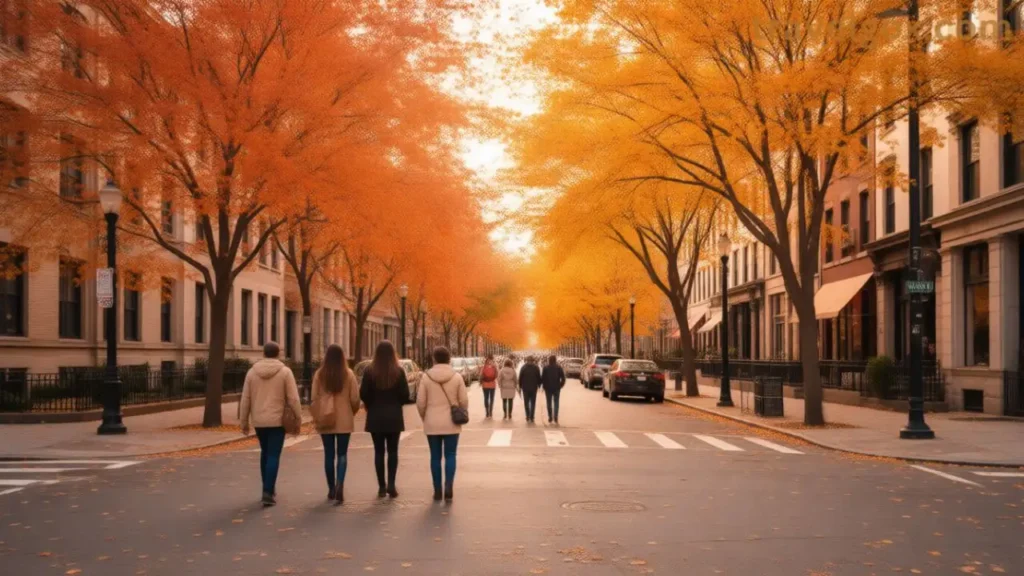
Fall feels calm and comfortable. Temperatures cool down. Humidity fades. Pleasant weather makes walking easy. Trees change color across the city.
As summer ends, crowds drop after August. This brings fewer crowds and quieter streets. Hotel prices fall again. Overall, fall feels balanced and friendly.
Fall also feels flexible. You can explore neighborhoods, enjoy outdoor dining, and move through the city with ease.
Why Early Fall Is a Favorite Time to Visit
September feels warm but not hot. October feels cool and fresh. Many travelers say September is the best month to visit Chicago for comfort.
Fall offers beauty, comfort, and value together.
Best Time to Visit Chicago for Good Weather

Comfortable weather lasts from late May to early October. However, summer heat can feel heavy. Fall feels cooler and cleaner.
Comparing seasons shows why fall feels better. Spring feels nice but rainy. Summer feels exciting but hot. Fall feels calm and steady.
Looking at the Chicago weather by month helps travelers plan better. Fall months show stable weather and fewer surprises.
Cheapest Time to Go to Chicago
Because of lower demand, the cheapest time to visit Chicago is winter. January and February offer the lowest prices. Hotels compete for guests. Flights cost less.
Cold weather limits outdoor plans. Snow may delay travel. Still, many travelers accept this for savings.
Winter is best for budget-focused trips.
Best Time to Visit Chicago for Different Travelers
Different travelers prefer different seasons. Families often choose summer. Couples enjoy fall walks. Solo travelers like spring and fall. Budget travelers choose winter. Event lovers chase summer festivals.
This Chicago month-by-month guide helps travelers match timing with needs. Planning this way reduces stress.
Matching Travel Style With the Right Season
Think about what matters most. Comfort. Price. Events. Then choose the season that fits best.
Worst Time to Visit Chicago
For many people, the worst time to visit Chicago is deep winter. January and February feel very cold. Wind chills feel harsh. Snowstorms disrupt plans.
Similarly, another hard time appears during major summer weekends. Prices jump, streets feel crowded. If you dislike crowds, avoid these times.
Smart timing avoids problems.
Conclusion
In the end, the best time to visit Chicago depends on your goals. Fall and late spring offer balance. Summer offers excitement. Winter offers savings. There is no perfect month for everyone.
Plan around what you enjoy most, weather, budget and events. Chicago welcomes visitors all year. With the right timing, your trip feels smooth and memorable.
FAQs
What is the cheapest month to go to Chicago?
January and February are the cheapest months, with lower hotel prices and flight deals.
What is the best season in Chicago?
Late spring (May) and early fall (September–October) are the best seasons for pleasant weather and fewer crowds.
How many days do I need in Chicago?
A typical visit takes 3 to 4 full days to see the main attractions and enjoy the city.
What is the coldest month in Chicago?
January is usually the coldest month, with snowfall in Chicago and freezing temperatures.

I’m a passionate traveler with a knack for discovering hidden gems around the world, sharing real travel experiences, tips, and must-visit places to inspire your next adventure.