

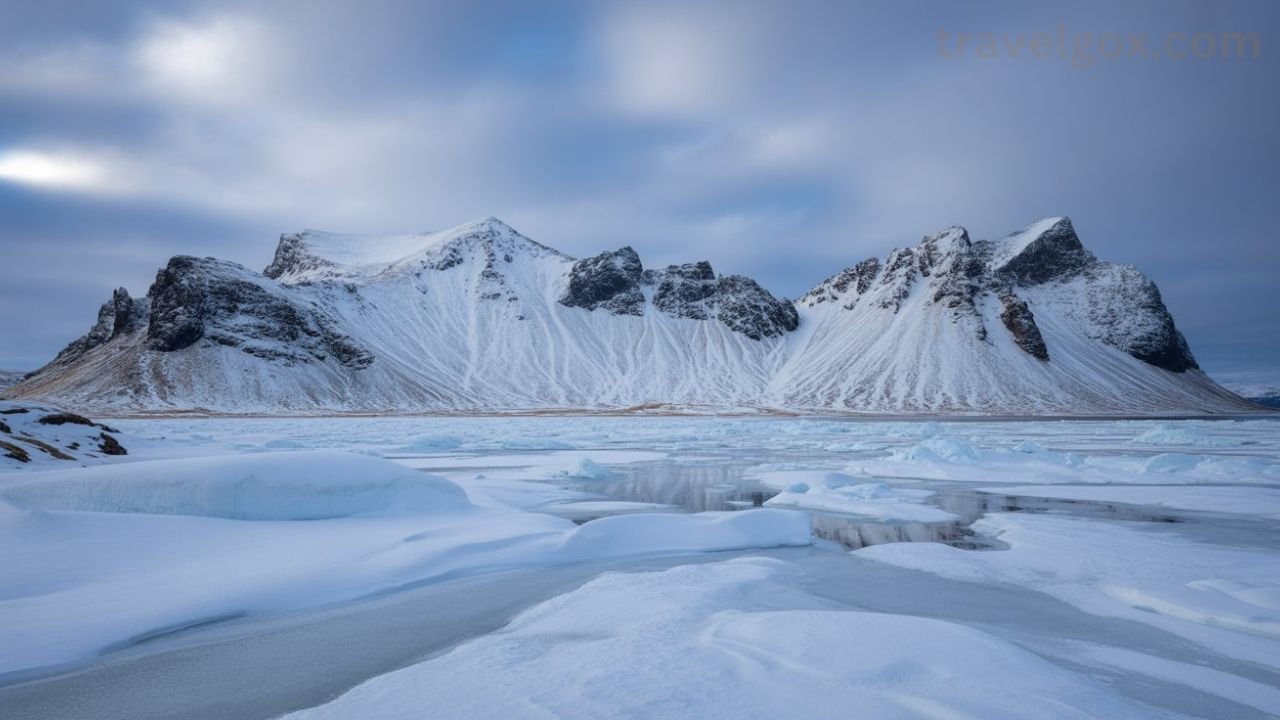
March feels like a bridge between winter and spring in Iceland. Snow still covers the mountains. Yet the days grow longer. Many travelers love this season because it blends winter magic with fresh light. This Iceland travel guide helps you understand why March travel Iceland in March can be unforgettable.
First, the country looks stunning during this time. Vast white valleys and frozen waterfalls create breathtaking scenes. Many visitors enjoy quiet roads and fewer crowds compared to summer. Because of that, photographers and nature lovers often plan their Iceland winter travel during March. You can explore dramatic fjords, icy volcanoes, and remote coastlines without the busy tourist rush.
However, planning matters. The weather can shift quickly in Iceland. Travelers should check the Iceland March weather forecast often and prepare for wind, snow, or sunshine. With the right planning, this time of year offers amazing Icelandic seasonal attractions and incredible adventures.
Many visitors also choose March for outdoor activities. For example, you can explore glaciers, watch whales, or relax in warm lagoons. These unique Icelandic outdoor activities create memories you will never forget. At the same time, winter landscapes turn every drive into a beautiful journey.
Because of all these reasons, many experts call March the hidden gem season. You experience snowy beauty. Yet you also enjoy longer daylight. If you want dramatic nature, quiet roads, and exciting adventures, March travel in Iceland might be perfect for you.
Is March a Good Time to Visit Iceland?
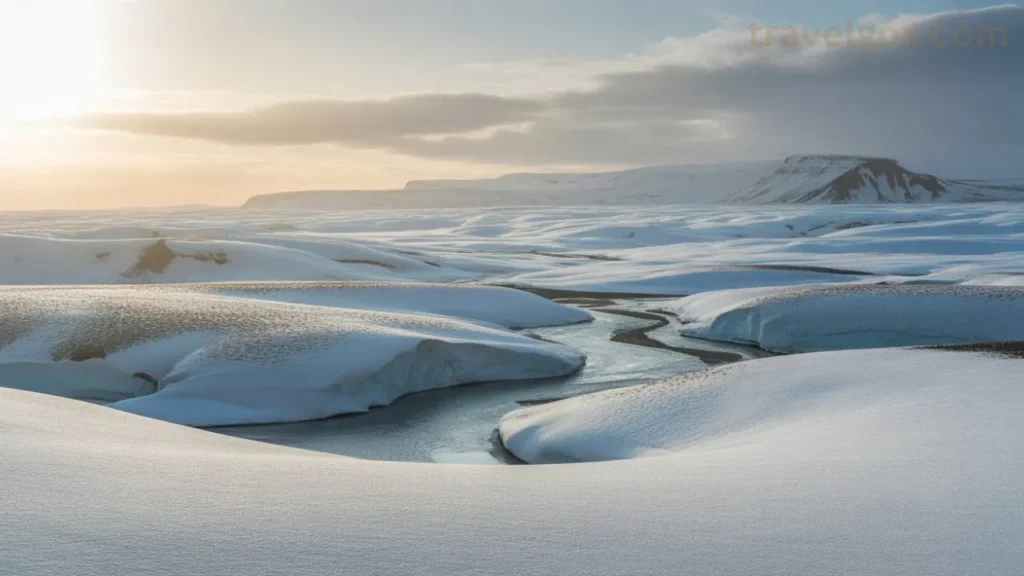
March is a wonderful month for visitors who love nature and adventure. During this time, Iceland still shows its strong winter character. Snow blankets the countryside. Mountains shine in bright white layers. As a result, travelers experience stunning Icelandic snowy landscapes and magical Icelandic winter scenery almost everywhere they go. At the same time, tourism remains quieter than in summer. Therefore, many people prefer March when planning their Iceland winter travel.
However, visitors should still prepare for changing conditions. Some rural areas may remain snowy. Windstorms can also appear quickly. Yet most travelers find that the benefits easily outweigh the challenges. Longer days allow more sightseeing, and winter activities remain available. Because of that balance, March is often considered one of the most exciting seasons for exploring Iceland’s natural attractions.
Why Many Travelers Choose March
Many travelers love March because it offers the best mix of seasons. Winter adventures still run across the country. Yet daylight increases each week. This balance makes it perfect for Iceland adventure tours and scenic drives. Visitors also enjoy fewer crowds. Hotels and tours may cost less than in peak months. Therefore, planning an Iceland travel itinerary in March often gives you more flexibility and better travel experiences.
Weather and Temperature in March
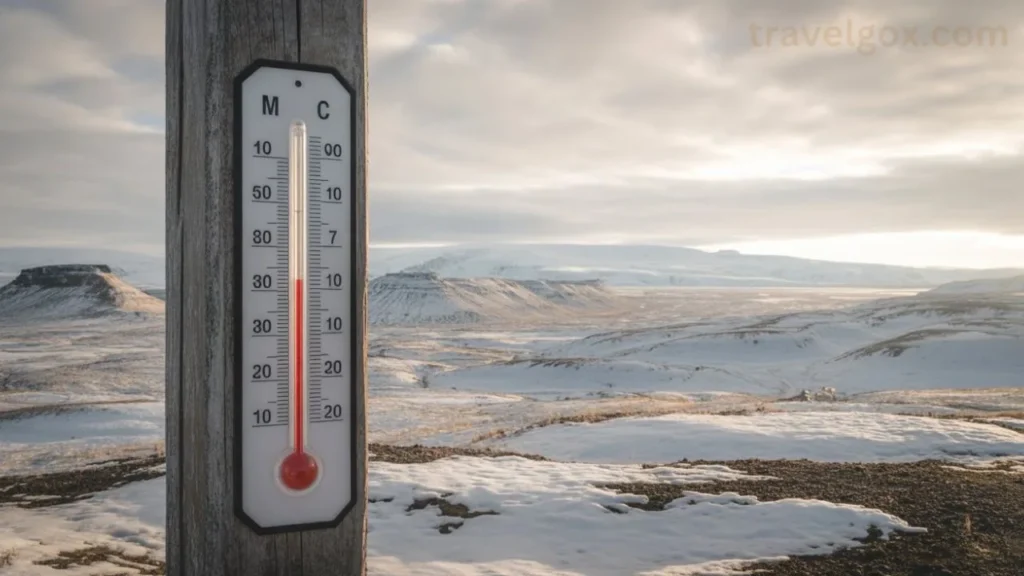
Understanding the weather helps you plan better. The Icelandic March weather remains cold but manageable. The average Iceland temperature in March ranges between -2°C and 3°C. However, strong winds can make the air feel colder. Because of this, warm clothing becomes very important during your trip.
Snowfall remains common across the island. Yet rain and sleet may also appear. For travelers interested in Iceland spring travel, March feels like a transition month. Winter still rules the mountains and glaciers. However, the growing sunlight hints that spring will soon arrive. This mix creates beautiful contrasts in the landscape.
Typical Weather Patterns
Weather patterns can shift quickly in Iceland. One moment may bring sunshine. The next moment might bring snow showers. Therefore, checking forecasts daily is a smart habit. Travelers often monitor local updates before leaving their hotel. Preparing for these changes makes your Iceland winter travel safer and more enjoyable.
| Weather Element | Typical March Range |
| Temperature | -2°C to 3°C |
| Daylight | 10–13 hours |
| Snowfall | Common in many regions |
| Wind | Often strong |
Daylight Hours in March
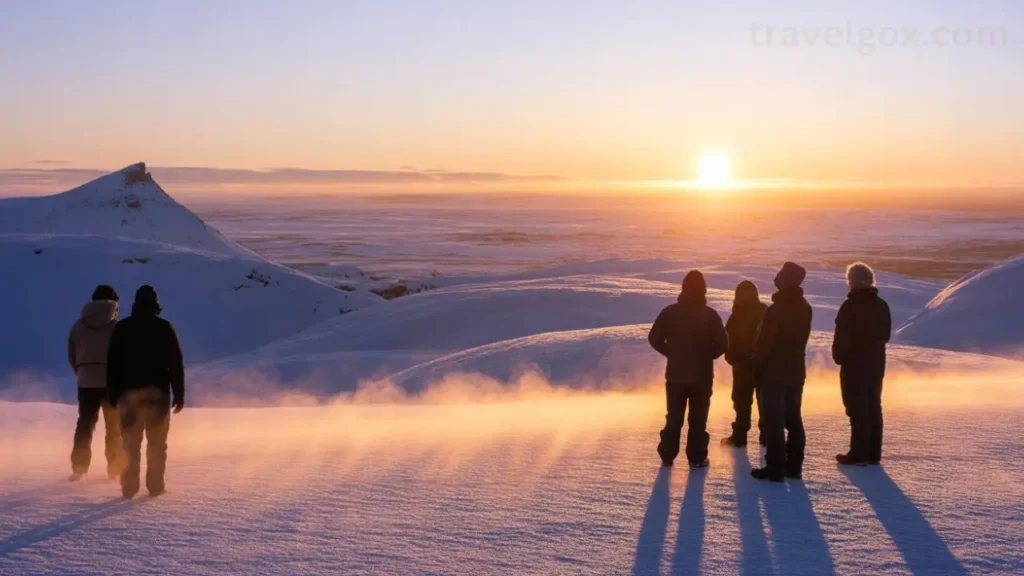
One reason travelers love March is the growing daylight. At the start of the month, the country receives about ten hours of light. By the end, sunlight stretches close to thirteen hours. These changing Iceland daylight hours in March allow visitors to enjoy longer sightseeing days.
More daylight also improves travel comfort. Roads become easier to navigate during daylight hours. Photographers also appreciate brighter skies. Many scenic locations look magical under soft winter light. Therefore, March creates perfect conditions for exploring Iceland’s natural attractions.
How Daylight Affects Travel
The longer daylight encourages flexible travel plans. Visitors can explore waterfalls in the morning and still drive to another destination before sunset. Because of this flexibility, many people plan longer drives during their Iceland road trip in winter across the southern and western regions.
Best Things to Do in Iceland in March
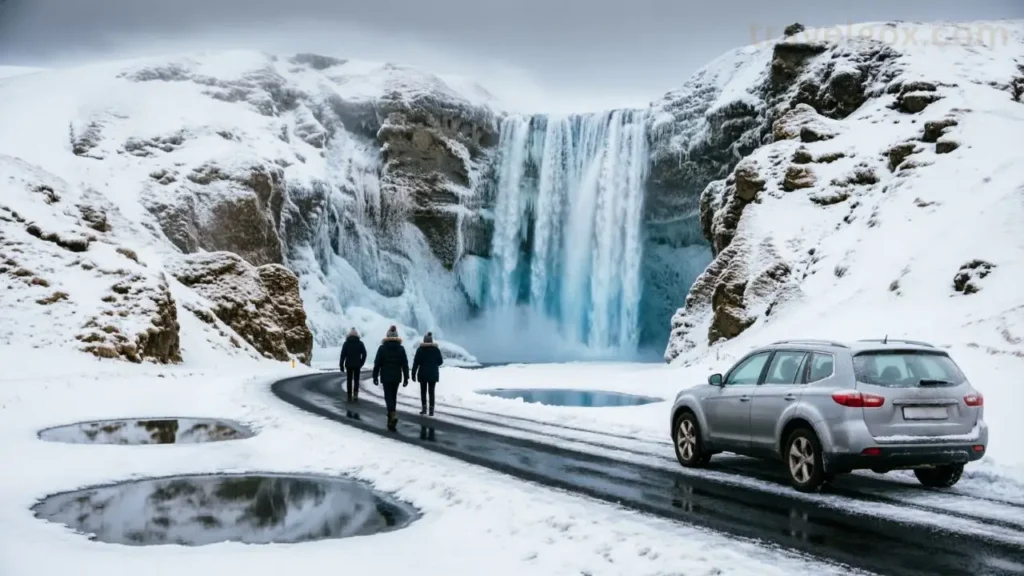
March offers a wide variety of winter adventures. Many travelers come specifically for dramatic nature experiences. Activities such as glacier hiking Iceland, snowmobiling in Iceland, and whale watching Iceland attract thousands of visitors each year. These adventures combine excitement with breathtaking scenery.
Besides adventure sports, visitors also enjoy relaxing experiences. Warm lagoons and cultural attractions provide peaceful breaks between outdoor trips. Together, these options create unforgettable Icelandic outdoor activities that showcase the country’s wild beauty.
Adventure Activities Across the Country
Many tour companies organize guided Iceland adventure tours during this season. Travelers can walk across glaciers, ride snowmobiles over frozen plains, or explore remote coastlines. Each adventure reveals new views of Iceland’s winter scenery and dramatic volcanic landscapes.
Seeing the Northern Lights
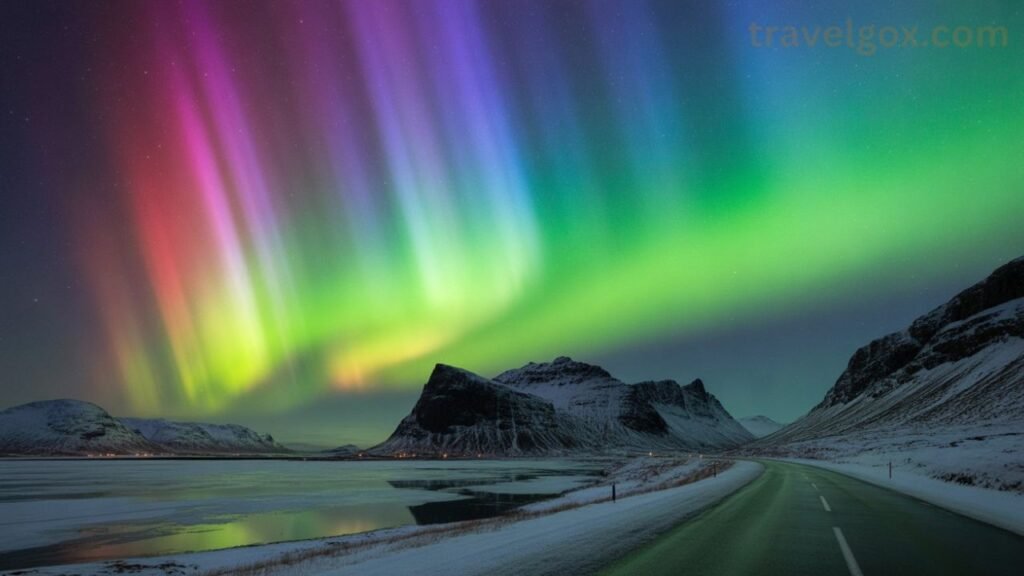
March remains a great month for aurora viewing. Dark nights during early March create excellent conditions for spotting the Northern Lights phenomenon in Iceland. These colorful lights dance across the sky in green and purple waves.
Many travelers leave the city to find darker skies. Remote countryside locations increase the chances of success. Because of these conditions, many visitors schedule evening tours dedicated to chasing the Northern Lights spectacle in Iceland.
Best Viewing Conditions
Clear skies and low light pollution offer the best chances for aurora viewing. Therefore, rural landscapes work better than cities. Travelers often join expert guides who track weather and solar activity to increase the chance of seeing the lights.
Best Places to Visit During March
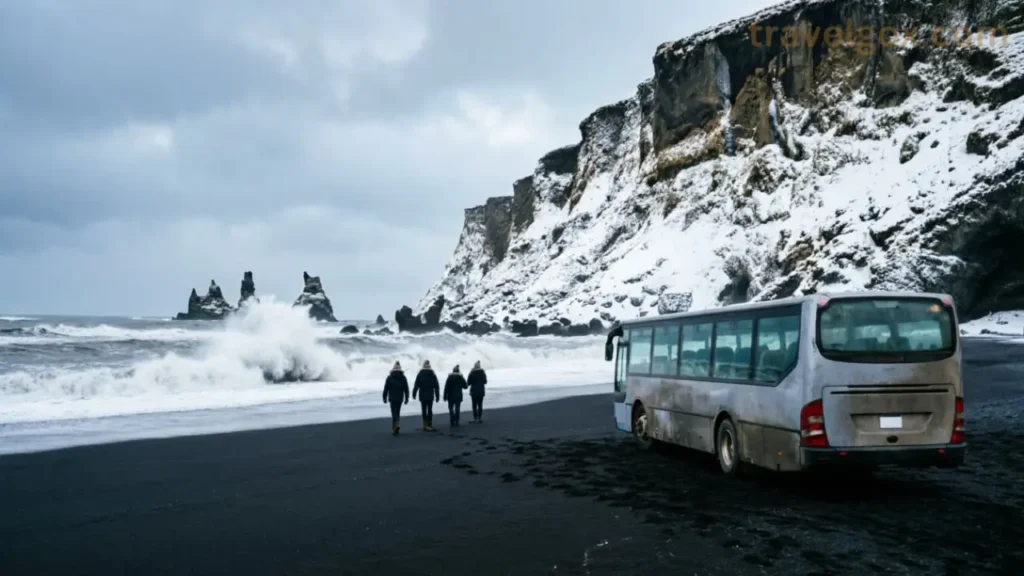
Iceland contains many regions worth exploring in March. Each area shows a different side of the country. Coastal cliffs, lava fields, and snowy valleys create remarkable contrasts. Because of this variety, visitors often design flexible Iceland travel itinerary plans.
Popular destinations include dramatic waterfalls, volcanic beaches, and scenic towns. For example, the famous South Coast Iceland route features glaciers, waterfalls, and black sand beaches. These natural wonders remain among the most impressive Iceland natural attractions.
Regions Worth Exploring
The western region offers beautiful West Iceland attractions such as waterfalls and geothermal springs. Meanwhile, the northern town famous for Húsavík whale watching attracts visitors who hope to see marine life. Coastal locations like Reynisfjara beach Iceland also draw travelers because of their dramatic black sand landscapes.
Ice Caves and Glacier Adventures
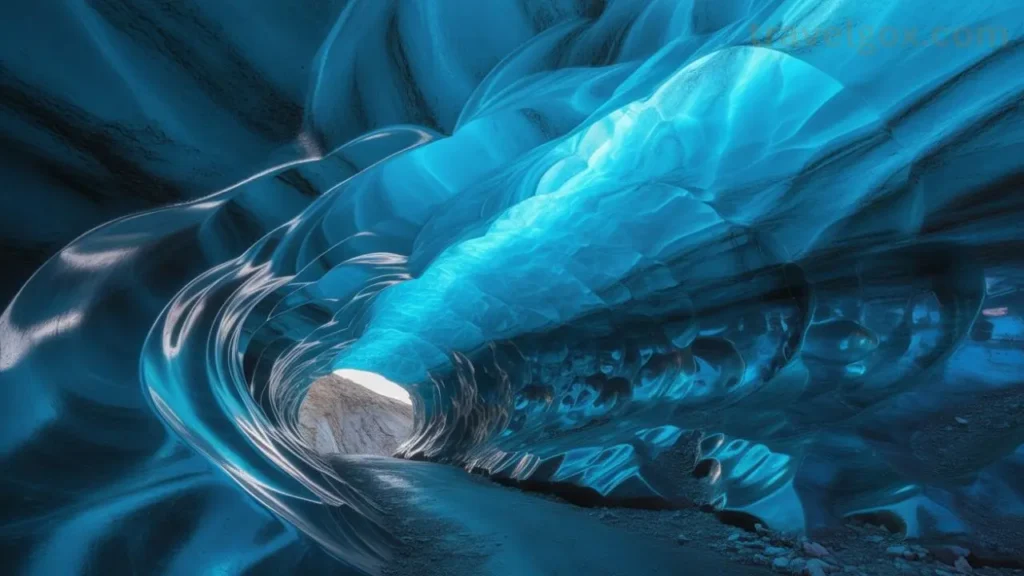
One of the most exciting winter experiences involves exploring Iceland’s ice caves. These natural tunnels form deep inside glaciers each winter. Their glowing blue walls create a magical environment unlike any other place on earth.
Visitors usually enter these caves with experienced guides. Safety equipment ensures secure travel through the ice tunnels. Along the journey, travelers often combine cave exploration with glacier hiking Iceland, making the adventure even more memorable.
Why Ice Caves Are Special
Each winter creates different ice cave shapes. Melting and freezing water form new tunnels every season. Therefore, returning visitors always see new formations. These icy wonders remain among the most unique Iceland natural attractions.
Festivals and Events in March

Although nature dominates travel in Iceland, cultural events also brighten the month. March hosts several celebrations that showcase local traditions. These events help visitors understand Icelandic culture while enjoying delicious food and music.
One famous celebration is Icelandic Beer Day. This event marks the end of beer prohibition in 1989. Today, local breweries celebrate with tastings and lively gatherings. Festivals like these add cultural depth to your Iceland travel guide experience.
Cultural Highlights
Visitors exploring Reykjavík during March often enjoy art shows, film festivals, and seasonal markets. These gatherings allow travelers to connect with local culture and learn about the island’s creative spirit.
Driving in Iceland During March
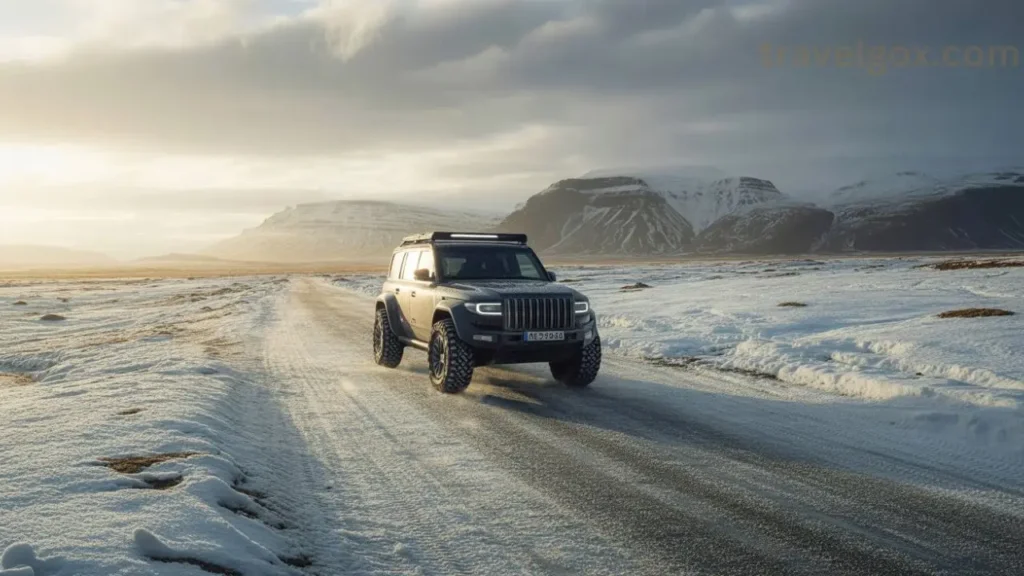
Driving across Iceland in March can feel magical. Snowy mountains and icy rivers create dramatic views along the roads. However, travelers must prepare for challenging Iceland winter road conditions. Snowstorms or icy surfaces can appear suddenly.
Because of these conditions, renting a strong vehicle becomes important. Many travelers choose four-wheel-drive cars when planning an Iceland road trip in winter. These vehicles offer better stability on slippery roads.
Safe Driving Tips
Always check daily weather updates before driving. By following these updates, travelers can enjoy safe journeys through the beautiful Iceland winter scenery.
What to Wear and Pack for the Trip
Packing properly makes your journey much easier. March weather requires warm clothing and waterproof gear. Travelers should follow a reliable Iceland packing list for winter to stay comfortable during outdoor adventures.
Layered clothing works best in Iceland. Thermal shirts, insulated jackets, and waterproof boots protect you from wind and snow. These simple preparations allow travelers to enjoy long days exploring glaciers, waterfalls, and volcanic landscapes.
Essential Travel Gear
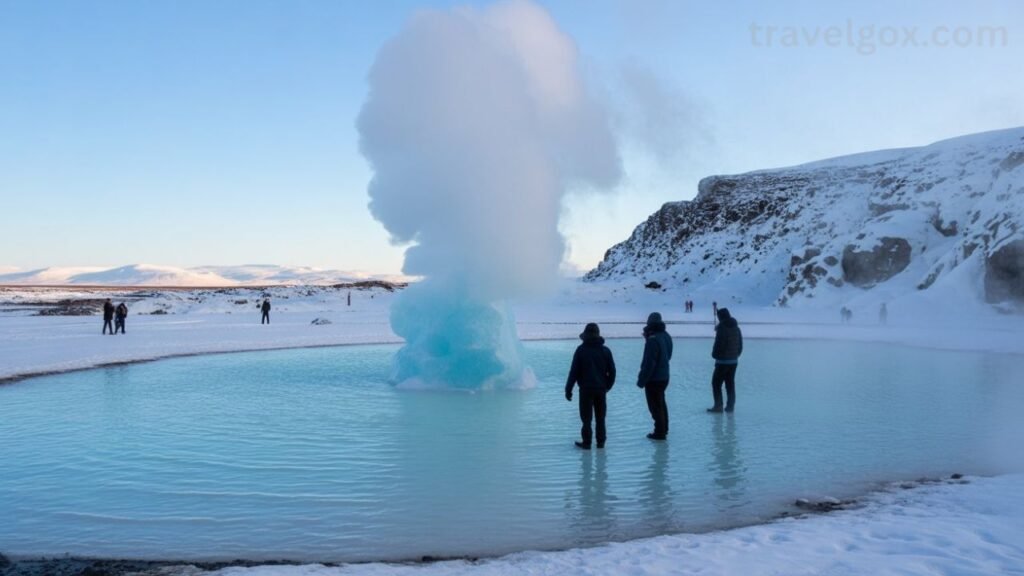
Many visitors bring swimsuits for relaxing in Iceland’s hot springs and warm geothermal pools after cold adventures. Comfortable clothing and strong footwear also help when exploring Iceland’s lava caves or visiting stunning Icelandic waterfalls in winter.
| Essential Item | Purpose |
| Thermal layers | Stay warm outdoors |
| Waterproof boots | Protect against snow |
| Winter jacket | Shield from wind |
| Gloves and a hat | Prevent heat loss |
| Swimwear | Enjoy hot springs |
Final Thoughts
Traveling to Iceland in March offers a rare blend of winter adventure and early spring beauty. Snowy landscapes, quiet roads, and exciting outdoor experiences create unforgettable journeys. From chasing the Northern Lights in Iceland to relaxing in warm lagoons, every day brings something new.
With the right preparation and flexible planning, visitors can fully enjoy this remarkable season. This Iceland travel guide shows that March is not just a good time to visit. For many travelers, it becomes the most magical time to discover Iceland.
FAQs
Can I see the northern lights in Iceland in March?
Yes, you can still see the Northern Lights in Iceland in March, especially during the first half of the month when nights are darker, and skies are clear.
Will it be snowing in Iceland in March?
Yes, snowfall is common in March, particularly outside Reykjavík, since it is still part of the winter season.
Is the Blue Lagoon in Iceland open in March?
Yes, the Blue Lagoon stays open all year, so you can enjoy the warm geothermal water even during the cold March weather.
Is it still dark in Iceland in March?
Yes, nights are still dark in early March, which helps with Northern Lights viewing, although daylight hours increase quickly through the month.
Is Iceland in March worth it?
Yes, visiting Iceland in March is worth it because you can enjoy winter landscapes, fewer crowds, and many exciting outdoor adventures.
What is the darkest month in Iceland?
December is the darkest month in Iceland, with only about four to five hours of daylight each day.

I’m a passionate traveler with a knack for discovering hidden gems around the world, sharing real travel experiences, tips, and must-visit places to inspire your next adventure.