


When I look at the USA in April 2026, I see a country that feels like a wide-open highway and a loud family argument at the same time. It can be inspiring, tense, creative, and divided, all before lunch.
Current headlines make that plain. News about the Strait of Hormuz crisis, rising fear over gas prices, severe storms across several states, and public protests all land inside daily American life. I can’t understand the country by reading one headline, so I read it as a place where world events and local routines keep colliding.
Why the USA matters far beyond its borders
The USA matters because of scale. It has a huge economy, a powerful military, deep financial markets, and media that travels fast. When Washington changes course, or when major US firms make big moves, people far outside the country can feel it.
That reach shows up in simple ways. Fuel costs can rise. Trade routes can tighten. Security plans can shift. Movies, music, memes, and social trends can spread from American cities to phones across the world in a day. The dollar also still plays a major role in trade and savings, even as people debate where that power is heading. For a useful snapshot, I like Atlantic Council’s look at the dollar.
Its economy, dollar, and big companies shape daily life around the world
US policy can change interest rates, investment flows, and job plans far beyond its borders. Big American companies can also shape what people pay for flights, streaming, food delivery, and event tickets.
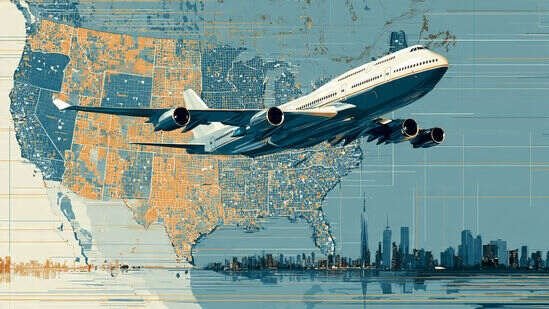
That power is not abstract. In April 2026, a jury ruled that Live Nation-Ticketmaster is a monopoly, a sign that Americans are still fighting over fairness, fees, and corporate control. I see that case as more than a concert story. It shows how a few large firms can affect daily life, from the cost of a night out to the choices people have.
Its politics and military decisions can move global events fast
Military action can travel back home in indirect ways. In April 2026, headlines described a US naval blockade of Iranian ports during the Strait of Hormuz crisis. That may sound far away, yet Americans quickly connect it to oil routes, shipping risk, and gas prices.
The public debate moves fast, too. Some people focus on security. Others focus on war powers, cost, or the risk of a wider conflict. I notice that in the USA, foreign policy rarely stays foreign for long.
What defines life in the USA for the people who live there
Daily life in the USA is hard to reduce because the country does not move in one rhythm. A town in Ohio, a suburb near Dallas, a block in Brooklyn, and a farming area in Iowa can share a flag and feel worlds apart.
I see freedom as a core part of the national story, but I also see movement. People change states for work, weather, family, or housing. Local pride runs deep. A person may say “I’m from Michigan” or “I’m from the Bronx” before saying “I’m American.” That local identity matters because schools, taxes, roads, jobs, and even weather risks often depend on where you live.
At the same time, modern life carries strain. Many people still believe they can build a better future. Yet rent is high in many places, health care costs weigh on families, and work can feel unstable. Hope and pressure live side by side.
The country is huge, and every region has its own rhythm
The Northeast often feels older, denser, and faster. The South can feel warmer in climate and social style, though politics and class vary block by block. The Midwest often carries a steadier pace, with strong ties to manufacturing, farming, and local sports. Out West, distance, drought, tech wealth, and public land shape daily life in different ways.
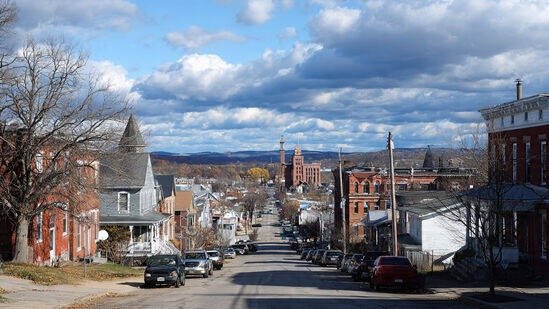
Those differences are not minor details. They shape accents, food, church life, commuting, and how neighbors talk about government. Britannica’s guide to US regions is helpful because it shows how geography still molds identity.
People in the USA value freedom, but they often disagree on what that means
Freedom is one of the country’s strongest words, yet it rarely means one thing. For some, it centers on speech and religion. For others, it means privacy, bodily choice, labor rights, or the right to protest.
That debate is always alive. Antiwar demonstrations in April 2026, including protests tied to US and Israeli attacks on Iran, fit a long American pattern. People gather in streets, on campuses, and online to argue over what the country should do. I don’t read that as a side note. Disagreement is part of American civic life.
Daily life mixes opportunity with pressure
The USA still offers room to build, switch careers, start a business, or begin again. That idea keeps pulling people forward. Still, everyday pressure is real.
Housing costs squeeze many households. Medical bills can shake even insured families. Child care is costly, and long commutes drain time. Nature also refuses to stay in the background. In early April 2026, severe storms brought heavy rain, hail, and tornadoes across parts of Ohio, Iowa, Oklahoma, and other areas. For many Americans, the weather is not a backdrop. It shapes school closures, repair bills, crop loss, and plain old stress.
How can I understand the USA without reducing it to one headline
When I try to understand the USA, I don’t stop at national politics. Federal news matters, but daily life is often shaped more by state law, local schools, city budgets, road systems, wages, and weather. A person in Phoenix may worry about water and heat. A family in Michigan may care more about factory jobs or snow damage. The country becomes clearer when I read local stories beside national ones.
National news tells part of the story, but local life fills in the rest
National elections dominate attention, yet states often decide major parts of life. They set many school rules, voting systems, abortion laws, labor rules, and energy plans. Cities shape transit, policing, zoning, and rent pressure. Local economies matter, too. A tech hub, a military town, a farm county, and a tourist city do not live the same American life.
That is why broad summaries often miss the mark. Even culture shifts by region, as shown in regional cultures across the US.
The best view of the USA includes both its ideals and its faults
I understand the country best when I hold both sides at once. The USA has real democratic energy, a strong volunteer streak, creative industries, research power, and a habit of reinvention. It also carries division, inequality, racial tension, political fury, and a constant fight over who gets heard.
A balanced view is more useful than a romantic one or a cynical one. The country can build, argue, protest, entertain, invent, and disappoint, sometimes all in the same week.
The USA in 2026 feels powerful, restless, and under pressure. World conflict, gas price fears, storms, protests, and ordinary workdays all run together in one national picture.
That is why I don’t see the country as one clean story. I see a place of huge force and daily friction, where identity is always being tested in public. The USA makes the most sense to me as a country in constant motion and constant debate.

I’m a passionate traveler with a knack for discovering hidden gems around the world, sharing real travel experiences, tips, and must-visit places to inspire your next adventure.