
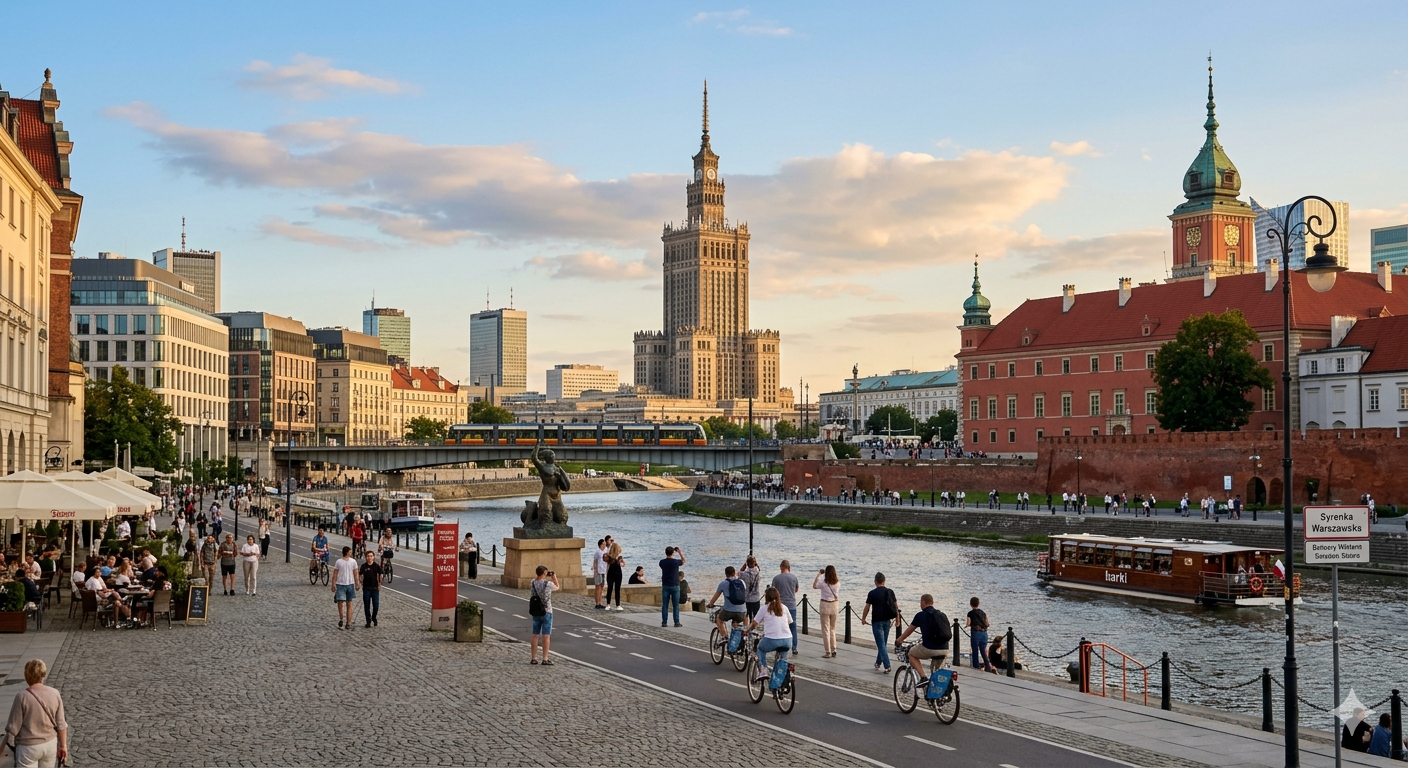
Warsaw often surprises first-time travelers to Poland. The city mixes rebuilt history, green space, strong museum culture, and neighborhoods that feel lived-in rather than staged.
Better still, it isn’t hard to enjoy. You can move between old squares, big parks, and modern cafe streets without much fuss. If you’re searching for the best things to do in Warsaw, start with the famous sights, then leave room for food and a local walk. That mix shows the city at its best.
Start with Warsaw’s most famous sights and old-world charm
Walk through the colorful streets of the Old Town
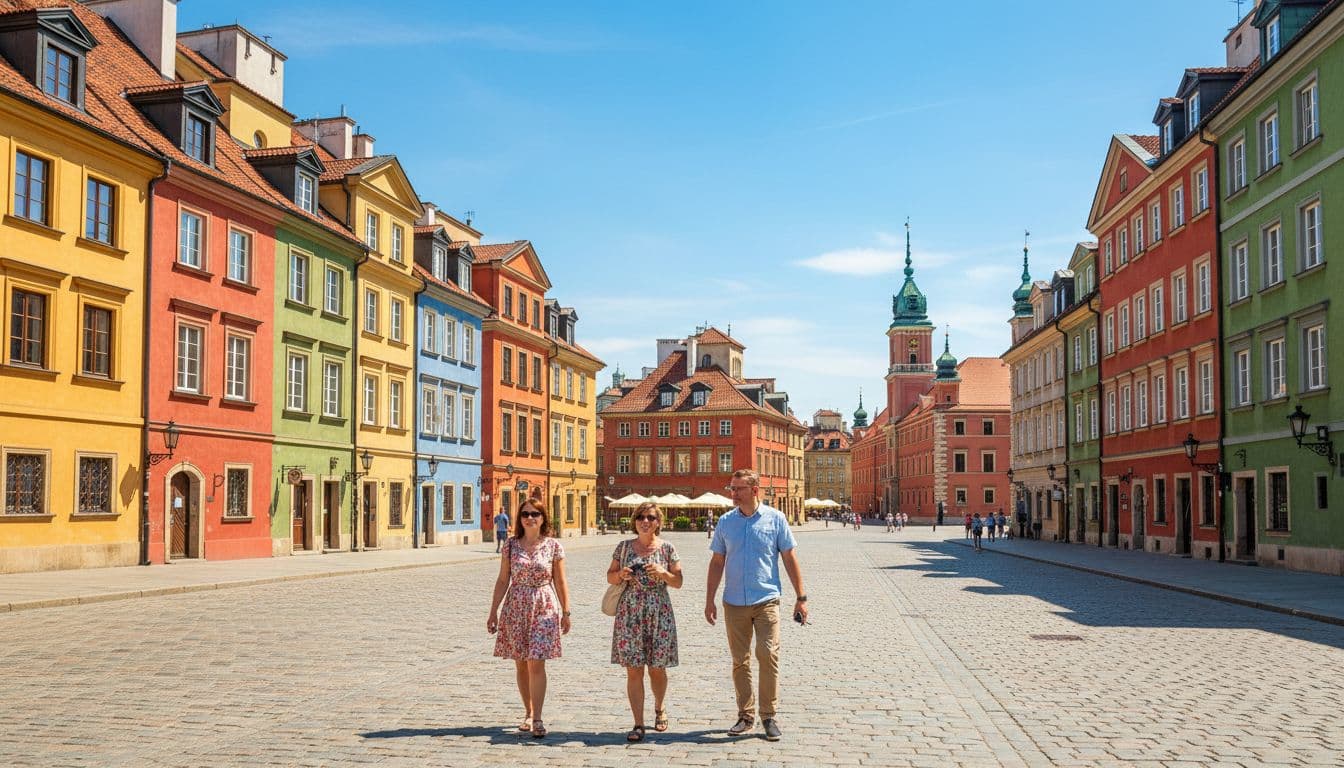
Warsaw’s Old Town is the obvious first stop, and that’s a good thing. It is a UNESCO-listed area, yet it doesn’t feel stiff or distant. After World War II, the district was rebuilt with care, so what you see today carries both beauty and weight.
Begin in the main square, where painted facades, outdoor cafes, and street performers make the area feel warm and lively. The lanes are easy to wander, and the details reward slow walking: narrow passages, church towers, and small shops tucked into historic buildings. Because everything is close together, it’s also one of the easiest parts of Warsaw to explore on foot when you’re still getting your bearings. If time allows, continue toward the Barbican for one of the prettiest stretches in the area.
Visit Royal Castle and Castle Square
A short walk away, Royal Castle gives that first Old Town stroll more context. Polish kings lived here, and the building played a major role in the country’s political life. Even if you don’t go inside, the exterior and the setting are worth your time. Inside, restored halls and period rooms make the reconstruction story even more striking.
Castle Square is one of the best places in central Warsaw to pause. You’ll see locals crossing the square, tour groups gathering, and photographers waiting for the light to change. Sigismund’s Column adds a classic postcard view, while the streets leading away from the square invite a longer walk. If you want one area that combines history, photos, and easy people-watching, this is it.
See the city through its museums, monuments, and wartime history
Learn about the Warsaw Uprising at the Warsaw Uprising Museum
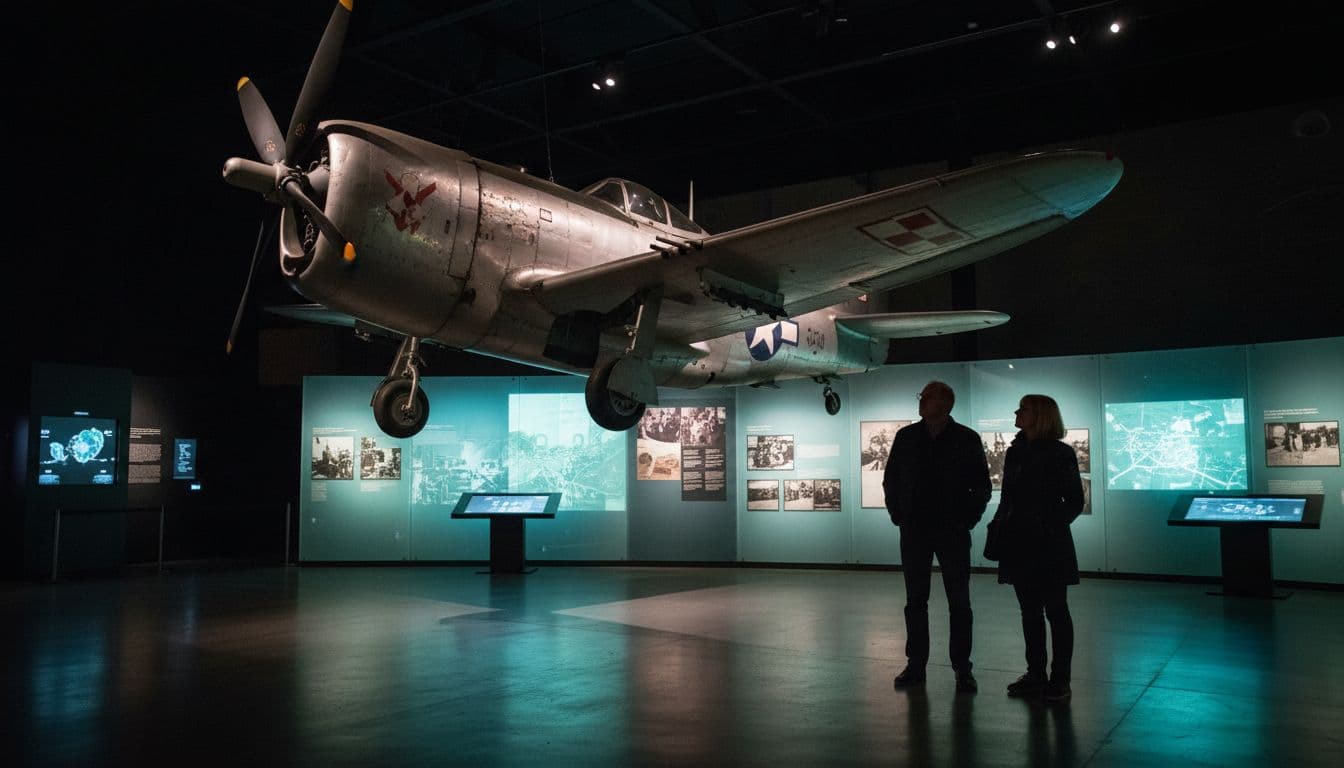
Warsaw isn’t only pretty. Much of its identity comes from loss, rebuilding, and memory, and the Warsaw Uprising Museum explains that better than anywhere else. The focus is the 1944 uprising, when Polish resistance fighters tried to liberate the city during German occupation.
The museum has a strong emotional pull, but it is also easy to follow. Film clips, sound, maps, recreated spaces, and personal accounts help visitors understand what happened without needing a deep history background first. Give yourself time here, because rushing weakens the experience. If you’re sensitive to war history, plan a lighter stop after it. For many travelers, this is the place that makes the rest of Warsaw feel more meaningful.
Spend quiet time at the POLIN Museum and memorial sites
POLIN Museum adds another layer that many visitors shouldn’t skip. It tells the history of Jewish life in Poland across centuries, not only the Holocaust years. As a result, you leave with a fuller picture of Warsaw and of Poland itself. Even the building feels calm and carefully considered.
Around the museum, memorial spaces change the mood of a day in a good way. The Monument to the Ghetto Heroes and other nearby sites ask you to slow down. They are not flashy stops, and they shouldn’t be. Yet they help you understand why Warsaw often feels serious beneath its polished surface.
Enjoy the side of Warsaw that locals love every day
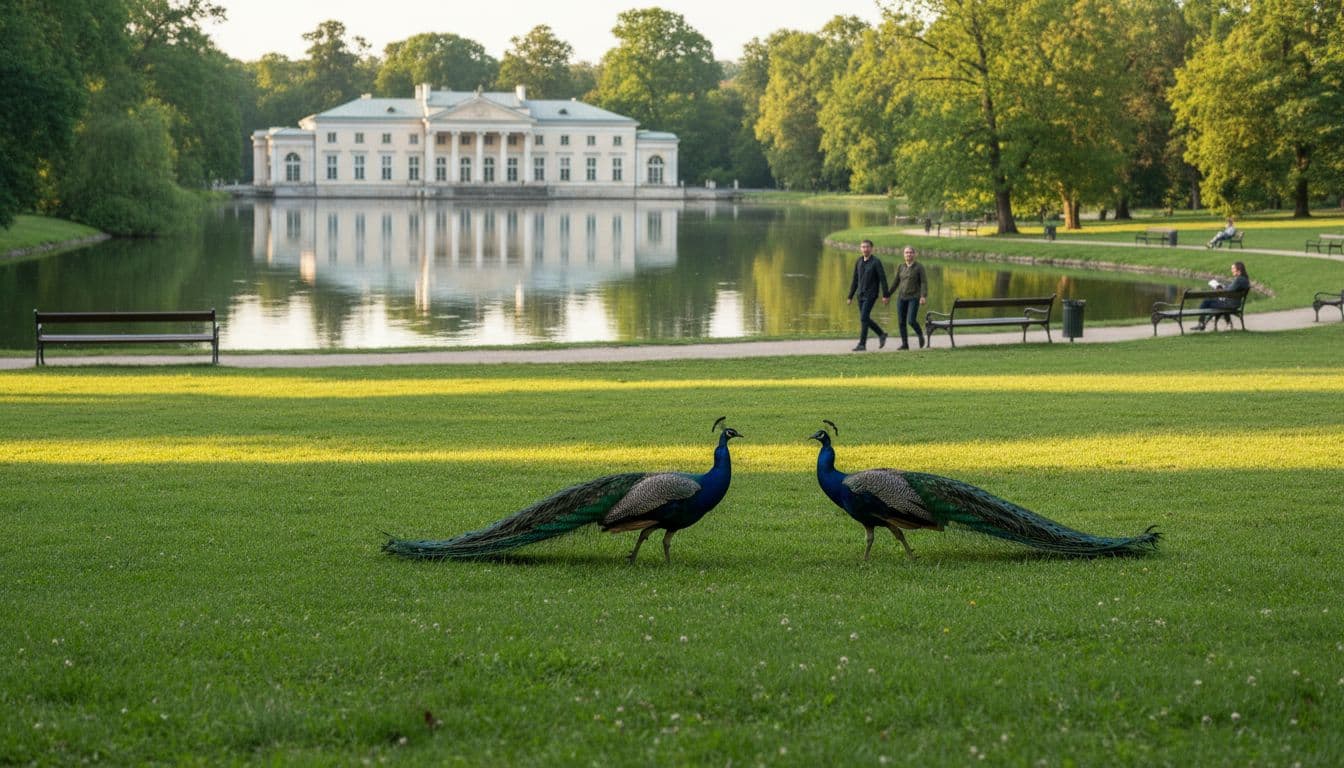
Relax in Łazienki Park and watch the peacocks
After heavy museums and crowded squares, Łazienki Park feels like a reset button. It is one of the city’s best all-around stops because the grounds are large, calm, and easy to enjoy without a plan. You’ll find tree-lined paths, water views, formal gardens, and the elegant Palace on the Isle.
The park’s peacocks are part of the charm, and spotting them never gets old. You can linger by the Chopin Monument, sit on a bench, or bring a simple picnic if the weather is good. In summer, Chopin concerts near the monument are another reason to come. Because the pace is slower here, Łazienki works well in the middle of a busy sightseeing day.
Explore modern Warsaw for food, views, and nightlife
Warsaw also has a lighter side, and you don’t need a perfect plan to enjoy it. In warm weather, the Vistula riverfront is great for an evening walk. People sit on the steps, meet friends, and drift between bars and food spots. Meanwhile, neighborhoods like Powiśle and Śródmieście are good places to find stylish cafes without losing the local feel.
Food matters here, so try more than one version of Polish cooking. Pierogi are the easy pick, but soups, pastries, and classic milk bar meals can surprise you. Cross to Praga if you want street art, older buildings, and a more offbeat mood. For a city view, head to an observation deck or rooftop before sunset. The Palace of Culture and Science is the best-known option, and the panorama helps you see how old and new Warsaw fit together.
Final thoughts
Warsaw works best when you don’t treat it as a checklist. The city has rebuilt streets, weighty museums, broad parks, and neighborhoods where daily life keeps moving at its own pace.
For the best visit, mix one history stop, one outdoor break, and one good meal in a local area. That balance shows why Warsaw stays with people long after the trip ends.
I’m a passionate traveler with a knack for discovering hidden gems around the world, sharing real travel experiences, tips, and must-visit places to inspire your next adventure.